While most of us are in the army community to have a good time, the reality is that bad actors exist. This guide isn’t meant to scare you; it’s here to inform you. We want you to continue your CPA career safely and smoothly, using the knowledge and advice of people who had to learn the hard way.
Designed by MasterDS
This guide is broken down into two main sections: Protecting yourself from bad intentions and Securing your accounts.
Part One
Protecting Yourself and Others
Every day, we talk to people from all over the world. Some we’ve known for years and others for just a few days. It’s easy to get comfortable, but you have to be extremely careful with what you share.
Unintentionally Giving Information
You might be sharing a lot more about your real life than you realize. Here are a few common traps:
-
Photographs: Billboards, street signs, or storefronts in the background of your selfies can easily give away your town.
-
Pets and Nature: Is your dog’s name tag visible? Did you take a picture of a plant or animal that is only native to a specific region (like Southern California)? You might be doxxing your own location.
-
Reflections: Computer screens, windows, or shiny objects in photos can reflect your face or sensitive info on your monitor.
-
Connected Accounts: If your Discord profile is linked to your Spotify, YouTube, or Twitch, people can easily click through and find your real name, location, or other friends. Unlink these from your army Discord!
-
Social Media: Be incredibly careful giving out your Instagram or Snapchat. Instagram suggests mutual friends. You might trust the person you gave your @ to, but do you trust all of their followers?
A quote from CPA Wiki Administrator Cobra sums this up perfectly:
“People often allude to their own location during public conversations, pictures, etc. They often will share general ideas where they live, often will describe their school life and life around them — this is fine, but you must understand that there is often a tradeoff that can occur here. It is up to you to decide if this tradeoff is worth it. The right person can easily dig through hundreds or even thousands of messages to understand clues about yourself and others, to then compile it into a dox or a means of hacking. Share your personal information wisely”
— Cobra
Manipulation and Blackmail
Some people will pretend to be your friend or even act like they are in love with you, entirely for their own gain.
Imagine this scenario: A member of an army starts getting a lot of attention from someone in a leadership position. The leader is nice, caring, and patiently wins their trust. Eventually, they ask for private photos. Believing the feelings are mutual and genuine, the member sends them. Suddenly, the trap springs—the leader saves those images and uses them as blackmail. To keep the photos from being leaked, the member feels forced to quietly quit armies entirely, abandoning their friends and everything they’ve built.
While this is an example, variations of this scenario can and do happen online. If someone is trying to woo you, it’s very easy to view them through rose-colored glasses. Don’t let those glasses hide the red flags. Think about people’s motivations, especially if someone from a rival army suddenly wants to be your best friend. Could they be trying to get you to spill secrets? Assume that whatever you say in a DM or a group chat could eventually be leaked.
Harassment
Sometimes people are just straight-up cruel. They might spread rumors, call you names, or make alt accounts to bother you. From personal experience: no response is the best response. Giving them any attention — even just saying “lol ur lame go get a life” — shows them they are getting under your skin, which just fuels them to keep going. Block, ignore, and move on.
Part TWO
Security of Your Accounts
Hackers in the CPA community usually rely on simple tricks rather than complex coding. Here is how to keep them out of your stuff.
Phishing and Scam Links
Phishing is when someone sends a fake link designed to steal your login info. In Discord, this often looks like an authentic Discord login screen.
- Free Nitro Scams: If someone (even a bot or a friend) sends you a link claiming you won “Free Nitro” or V-Bucks, it’s a scam. Look closely at the URL—hackers often replace the “i” in Discord with a lowercase “L” so it looks like
dlscord.gg.
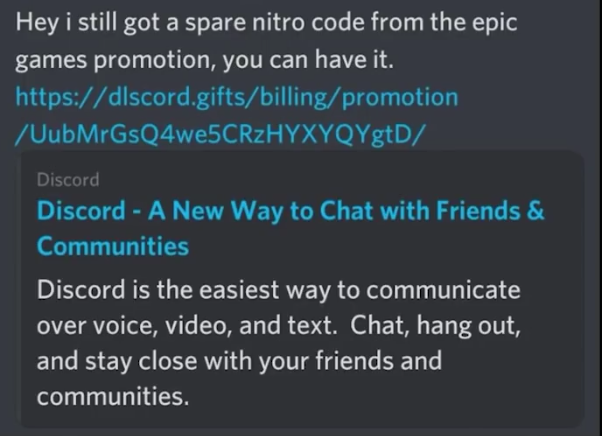
Example of a fake Discord link claiming to offer Free Nitro
-
“Test My Game” Links: You know to trust a link like CPA Battleground. But if someone sends you a random
.exefile or a weird link asking you to “test” a game they made, do not click it. It could contain malware that infects your computer and steals your passwords.
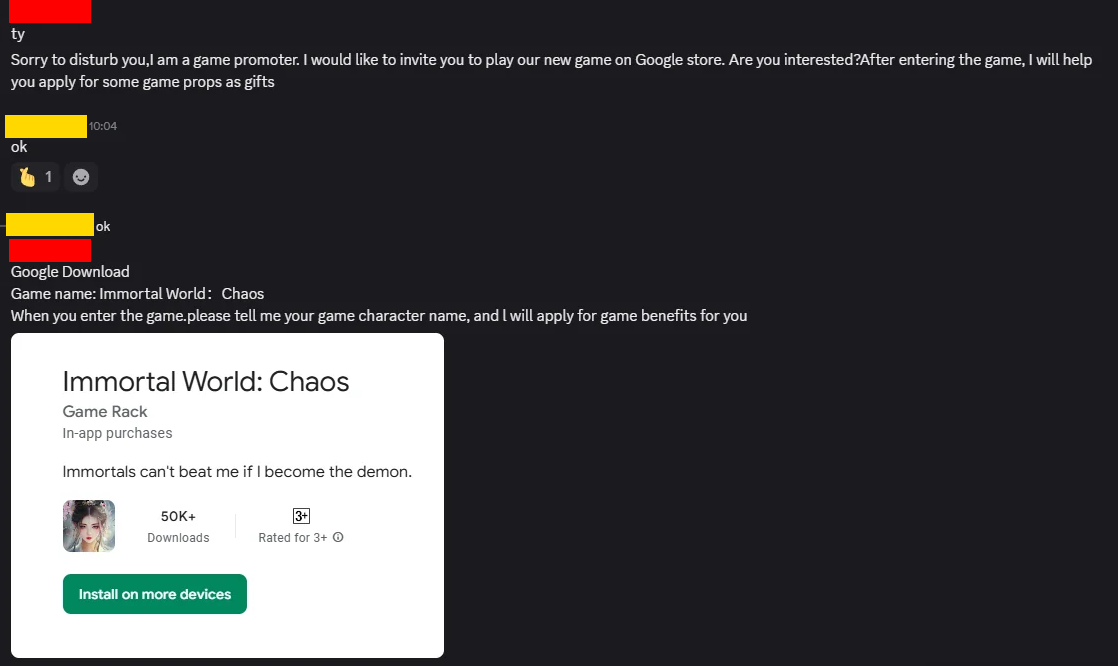
Example of the “Test my Game” scam
-
QR Codes: Never scan a random QR code to join a server or verify your Discord. Hackers use this to bypass your passwords and instantly hijack your account.
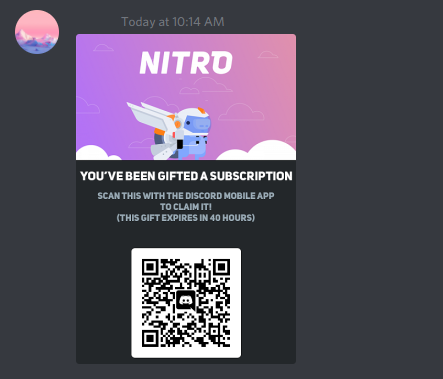
Example of a QR Code Scam
Emails and Passwords
If you don’t already have a dedicated email account just for Club Penguin and gaming, make one right now.
-
The “Penguin Email”: This email should NOT contain your real first name, last name, or initials. Use your penguin name, a favorite food, or a random animal. Use this email to sign up for CPPSes, army websites, and Discord. If a CPPS has a data breach, your real-life personal email stays safe.
-
Unique Passwords: Do not use the same password for Discord that you use for your penguin, and definitely don’t use the password you use for school or your bank. If one site gets breached, you don’t want hackers gaining access to everything you own. Make passwords long (12+ characters) and use symbols.
-
Tip: Check if your email has ever been caught in a data breach by searching it on HaveIBeenPwned.com.
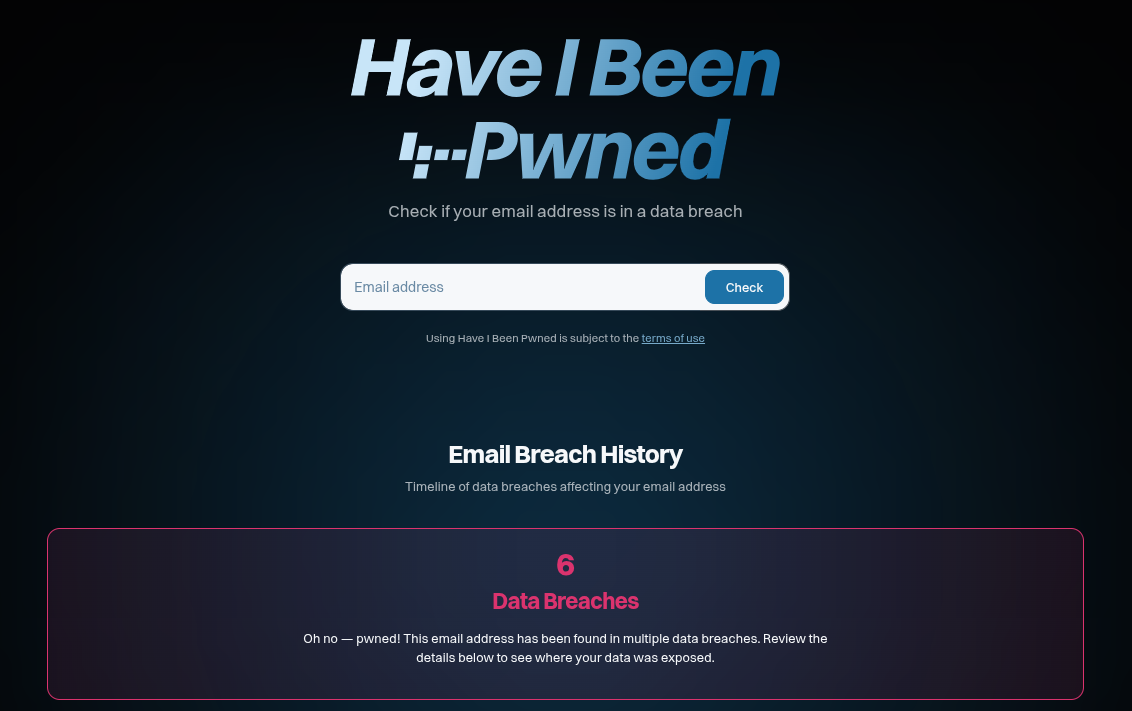
Screenshot of HaveIBeenPwned.com Website
Two-Factor Authentication (2FA) & IP Safety
-
Turn on 2FA: This is the easiest and most effective way to protect yourself. Go to your Discord settings and turn on Two-Factor Authentication. Use an app like Google Authenticator or Authy. Even if someone guesses your password, they can’t get in without the code on your phone.
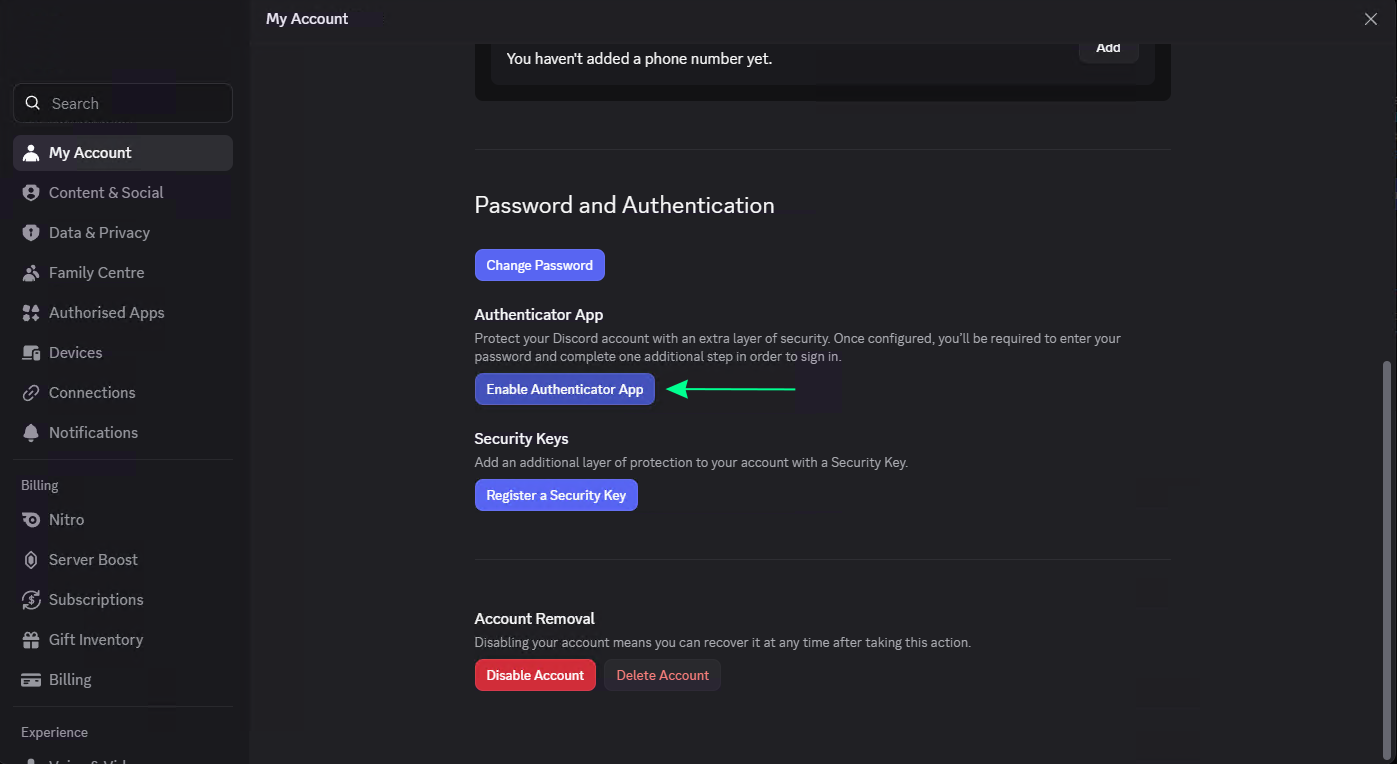
How to turn on 2FA on Discord Settings
- Protect Your IP: Every website you click can see your IP address, which gives away your approximate real-world location (city/state). Avoid clicking sketchy links, and consider using a free, trusted VPN like ProtonVPN to mask your IP address while doing army stuff. Running a basic, free anti-virus like Avast or Windows Defender on your computer is also a no-brainer.
CPA has not logged the above information. For your protection, we are relying on a third-party service to display the above content. This illustrates that data that can be logged when you visit any website.
What If Something Goes Wrong?
If you ever find yourself being threatened, blackmailed, or harassed, or if you think your account has been compromised, please let an admin or head moderator know immediately.
You do not have to go through it alone. In these situations, your privacy and protection are our top priority, and we have the experience to give you the right guidance. Take a deep breath and reach out to someone you trust on staff, and we will help you handle it.
Viv
Head Moderator
df44
Executive Producer