Not all disputes in the army community are about who has more members or who can fight harder. Recognizing when someone is going too far and negatively impacting the game for everyone else can be crucial at times. What distinguishes a strong army from a reactive one is the ability to distinguish between actual harm and small annoyances. In this post, I will look at how questions of right and wrong quietly guide what happens in CPA.

TABLES OF CONTENT
| §1. Introduction |
| §2. Personal Rivalry and Ego |
| §3. Political and Strategic Reasons |
| §4. Moral Motivation |
Introduction
It may seem strange at first to discuss hatred in a friendship-focused game. Club Penguin Armies is meant to be an enjoyable place to hang out, play, and converse with your pals. However, rivalry and strife have been the lifeblood of this community for as long as I can remember. What keeps things going is the positive volatility; armed conflicts, rivalry, and the energy generated by tension. The game feels safe but dull when there is too much stability, where everyone stays in their own zones and nothing occurs.
Wars, grudges, and rivalries are more than simply drama. They encourage leaders to organize, soldiers to train, and armies to improve. While some disputes occur for moral or ideological grounds, it is critical to discern between genuine dangers and minor slights. Declaring war because someone said a negative word in chat or made a little personal insult doesn’t help your army or the community it merely makes the game worse.
On the other hand, it is totally understandable, and even necessary, to respond when someone performs immoral acts or does something dangerous to the community, such as doxxing, harassment, or cheating in ways that hurt others. These behaviors jeopardize the integrity of the space and must be addressed. The distinction between “good” and “bad” hatred is not whether someone offends you personally; rather, it is whether their activities jeopardize the community’s safety, fairness, and health.
This is not a reason for your army to declare war. CPA is first and foremost a game, and taking personal revenge over these faults contributes to the community. If someone abuses the rules, harasses others, or does anything harmful, the appropriate answer is to contact the moderators or take formal action, not turn it into a personal dispute.
Personal Rivalry and Ego
A lot of conflict in CPA begins at the personal level. Leaders want to prove themselves, armies want to outperform each other, and even insignificant interactions can develop into rivalries over time. This is nothing new; it has been a part of the community for many years. Whether it’s losing a close battle, being outperformed in size, or simply feeling disrespected, these moments cause tension between armies. However, that tension is not inherently negative. In many cases, this is precisely what keeps people engaged. When there is something to prove, people show up earlier, work harder, and genuinely care about the outcome.

At its best, personal rivalry keeps things captivating. You are not simply logging on for another routine event; you are logging on to defeat a specific opponent. That is when leaders plan, troops train, and wars are actually crucial. Rivalries encourage armies to adapt, correct mistakes, and remain active over time. Some of the most intense periods in CPA history resulted from long-running rivalries in which both sides constantly outperformed each other. Even small things, such as how teams hype each other or how people lean into roles during events, can make battles feel more intense. It’s not about taking it personally; it’s about focusing that energy on the game.
Rivalry is also about identity. Armies are not just groups; they are reputations. People remember who they fight and how they perform. Rivalries give armies a concept to fight for. They develop stories, history, and a sense of continuity to keep members interested beyond simply showing up. The little performances, banter, and dramatics all contribute to that sense without ever having to be staged; it’s all part of the game. Passion and the need to compete encourage people to show up, push themselves, and keep the rivalry alive. Without it, everything feels flat and repetitive.
This is where good volatility comes in; rivalries provide movement, randomness, and vitality, avoiding the community from becoming stagnant. The problem arises when ego begins to outweigh the game itself. When players take things too personally, the focus shifts away from competition and toward individuals. People try to win arguments rather than battles. There are mid-war posts everywhere, constant back-and-forth in chats, and minor issues blown out of proportion. Rivalry no longer serves a purpose and instead drains everyone. Troops lose interest, leaders lose focus, and what could have been a fiercely competitive matchup devolves into something no one wants to be a part of. It makes people miserable. What should be enjoyable becomes stressful. Instead of excitement and energy, you get frustration and tension that spreads throughout the army community.
This is where many people fail to draw the line. There is a distinction between using rivalry as motivation and allowing it to dictate your actions. Strong armies recognize that rivalry is a part of the game, but they do not let it control everything they do. They use it to improve, remain active, and motivate their members, but only within the context of the game. It loses its utility once it exceeds that threshold.
Political and Strategic Reasons
Competition in CPA is rarely about winning a single battle. Everything is layered with strategy and politics, from alliance formation to army positioning to reputation building. At its essence, it is about taking the game to a higher level. Leaders make judgments based not only on what is happening right now, but also on the big picture-which armies are expanding, which could pose a threat, and whose alliances could shift the balance of power. These decisions aren’t always personal. They are strategic, designed to keep the army alive, relevant, and respected. Seeing it this way helps to understand why some fights appear to flare up over minor issues.
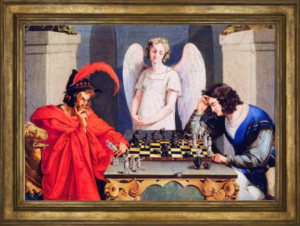
Not all animosity in this realm is genuine hatred ( heh ). Sometimes what appears to be hate is only perspective or rivalry amplified by context. Consider armies that dominate in size or presence: people frequently declare they “hate” them, but this is more typically due to irritation, envy, or resistance to their power than genuine malice. In certain circumstances, actual hate grows when an army repeatedly breaks rules, cheats, or behaves in ways that jeopardize the community’s fairness. Conflicting perspectives on how to play the game, what counts as acceptable, and who should hold influence primarily cause conflicts and tensions. It’s rarely black and white; the distinction between personal complaints and political maneuvering is hazy, and sometimes purposefully so.
Geography, culture, and opposing viewpoints only exacerbate these political processes. Members come from all around the world, with varying expectations for leadership, strategy, and community behavior. What one army considers fair play, another may regard as opportunistic or aggressive. When combined with personal ambition and a desire for status, political friction becomes nearly unavoidable. It does not suggest that the game has become toxic by default; rather, it shows the layers of decision-making, influence, and competitiveness that arise when people take something they enjoy seriously. Politics in CPA is not always appealing, but when done correctly, it can provide structure, purpose, and motivation for armies to grow, adapt, and improve.
Sometimes, leaders act based on the demands of the situation rather than their own opinions. A war may not be motivated by hatred at all, but rather by the need show strength, deliver a message, or stop threats before they materialize. A well-timed battle can restore presence and raise awareness, whereas inactivity can make an army appear weak or unimportant. Experienced players are aware of the pattern: tension increases when silence continues for an extended period of time until a minor incident triggers the entire situation. According to that viewpoint, not all wars require a personal motivation; occasionally, they are just about holding a position in a dynamic environment.
Moral Motivation
Some confrontations arise not only from rivalry but also from genuine outrage over unacceptable behavior. When someone doxxes, cheats excessively, harasses others, or otherwise transforms an enjoyable game into something dangerous, the community reacts. This is the type of hatred that has a concrete foundation: it is not about ego, but about safeguarding the space’s integrity. People naturally react negatively to people who take the game too far, because it reflects poorly not only on the individuals but also on the larger culture of CPA.
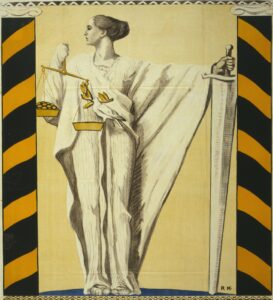
Nevertheless, morality is rarely clear-cut. Something that one person considers objectionable may be dismissed by another. The CPA community is diverse, with viewpoints influenced by region, age, experience, and even personal convictions. Some players push limits simply because they can, while others do so for recognition or because insecurity motivates them to establish dominance in a virtual arena. Often, the instigators are not evil in the classic sense, but rather individuals responding to their own sense of control or approval in the group. Aristotle once said that goodness is found in the balance of extremes; in CPA, the same idea applies Understanding the context of someone’s actions can help prevent minor disagreements from developing and keep the focus on what really matters: the game.
What separates productive moral motivation from destructive behavior is scale and intent. Good moral action in CPA is about accountability; calling out genuinely dangerous behavior, discouraging toxic behavior, and ensuring that the game is enjoyable for everyone. Treating minor slights, imagined offenses, or personal grudges as crises constitutes bad moral action. The problem is that bad moral action creates unnecessary tension, turning playful competition into distress for both leaders and troops. Seneca, a philosopher, stated, “We are more often frightened than hurt; and we suffer more from imagination than reality” This translates perfectly in CPA: excessive moral outrage frequently affects the community more than the original violation ever could.
CPA is ultimately about making choices. Morality can guide you, but taking it too far blinds you to what actually matters: the game and your army. The most effective leaders know when to take action and when to back off. Don’t respond to every insult or error; instead, concentrate on what’s important for the game. Outrage, rivalry, and hatred all have a place. They only work if they enhance the community and the fun. Anything else just drags everyone down. Do you agree with the thoughts expressed in this piece? How do you perceive the role of rivalry and morality in shaping the life of this community?
MtJordan II
Associate Editor
More Information

you look like fridge